+604 332 2335
sales@professional-tools.com
+604 332 2335
sales@professional-tools.com


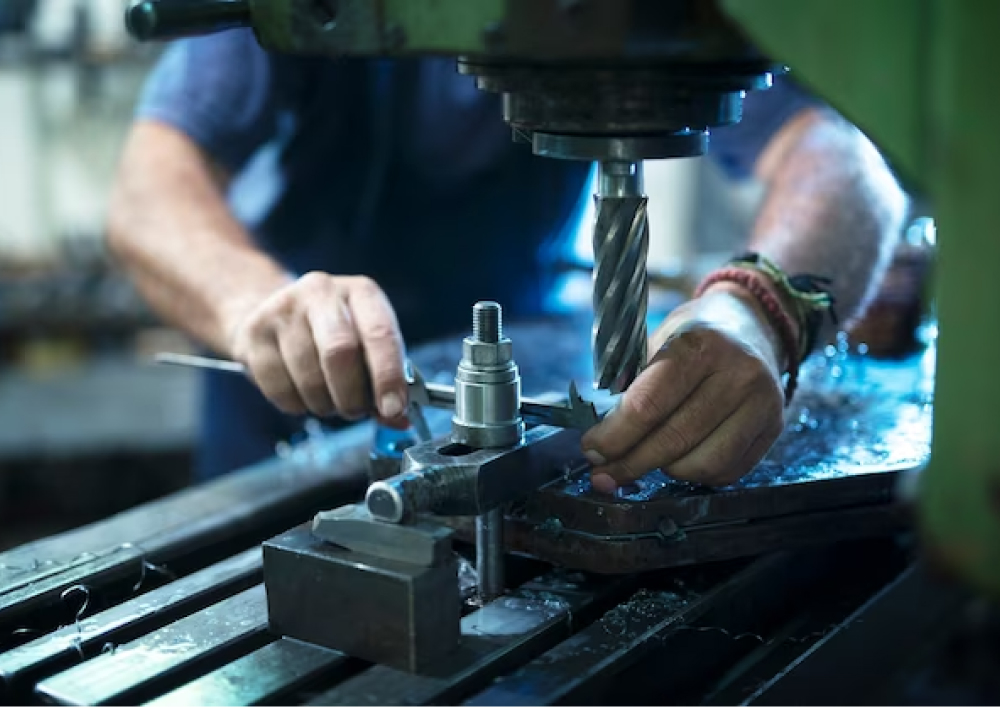
In Malaysia’s advanced manufacturing sector, delivering high-quality, reliable products requires more than just assembling components. Surface finishing in Malaysia and functional testing are two critical processes that ensure components not only look polished but also perform consistently under operational conditions. Integrating these steps into production workflows guarantees precision, durability, and operational efficiency.
Surface finishing is the process of refining the exterior of a component to improve its performance, appearance, and durability. It includes techniques like polishing, coating, plating, or texturing. For manufacturers in Malaysia, surface finishing ensures that:
In metal structures, injection-molded parts, or machined assemblies, surface finishing transforms raw materials into components ready for integration. Proper finishing enhances both mechanical performance and lifespan, reducing maintenance and replacement costs.
While surface finishing prepares the component physically, functional testing ensures it operates as intended. This involves verifying performance parameters under realistic conditions, such as:
Functional testing prevents defects from reaching production lines, ensuring components meet both design specifications and operational requirements. In Malaysia, manufacturers that integrate testing into their workflows can significantly reduce downtime, rework, and operational risks.
The effectiveness of both processes is maximized when they are integrated within the production cycle. Manufacturers benefit by:
This integration ensures that each component is not only physically refined but also validated for performance, delivering measurable value to the final product.
Surface finishing and functional testing are relevant across multiple sectors:
Integrating these processes ensures parts are production-ready, reliable, and capable of long-term operational performance.
To achieve maximum precision and performance, consider these strategies:
Following these practices strengthens product quality, reduces failure rates, and enhances overall manufacturing efficiency.
As Malaysia adopts Industry 4.0 and automation technologies, surface finishing and functional testing will become even more critical. Manufacturers will require components that are:
By embracing these processes, Malaysian manufacturers can maintain a competitive edge in precision engineering and high-performance production.
Ensuring precision and performance is no longer optional in Malaysia’s manufacturing landscape. By combining surface finishing and functional testing in Malaysia, companies can deliver components that meet both aesthetic and functional standards. These practices minimize errors, enhance durability, and ensure that every part contributes to reliable, high-quality production.
For manufacturers seeking to optimize operations and product reliability, integrating finishing and functional testing into your workflow is essential for long-term success.
Surface finishing reduces wear, prevents corrosion, and improves friction performance, extending the lifespan of metal and molded parts.
Yes. By planning finishing and testing processes early, manufacturers can minimize handling, reduce errors, and maintain consistent quality without disrupting production.
Automotive, electronics, medical devices, robotics, and high-precision industrial equipment all see improved quality, reliability, and regulatory compliance.
Disclaimer Statement
We hope you found this article informative. Our content is intended for general informational purposes only and does not constitute advice or necessarily reflect the full range of services offered by Professional Tools & Dies Sdn. Bhd.
Readers are advised to consult with a qualified industry professional and contact our experts for tooling’s recommendations specific to their individual project needs. While we strive for accuracy and completeness in our blog posts, we cannot guarantee they are error-free. Professional Tools & Dies Sdn. Bhd. assumes no responsibility for any errors or omissions.