+604 332 2335
sales@professional-tools.com
+604 332 2335
sales@professional-tools.com


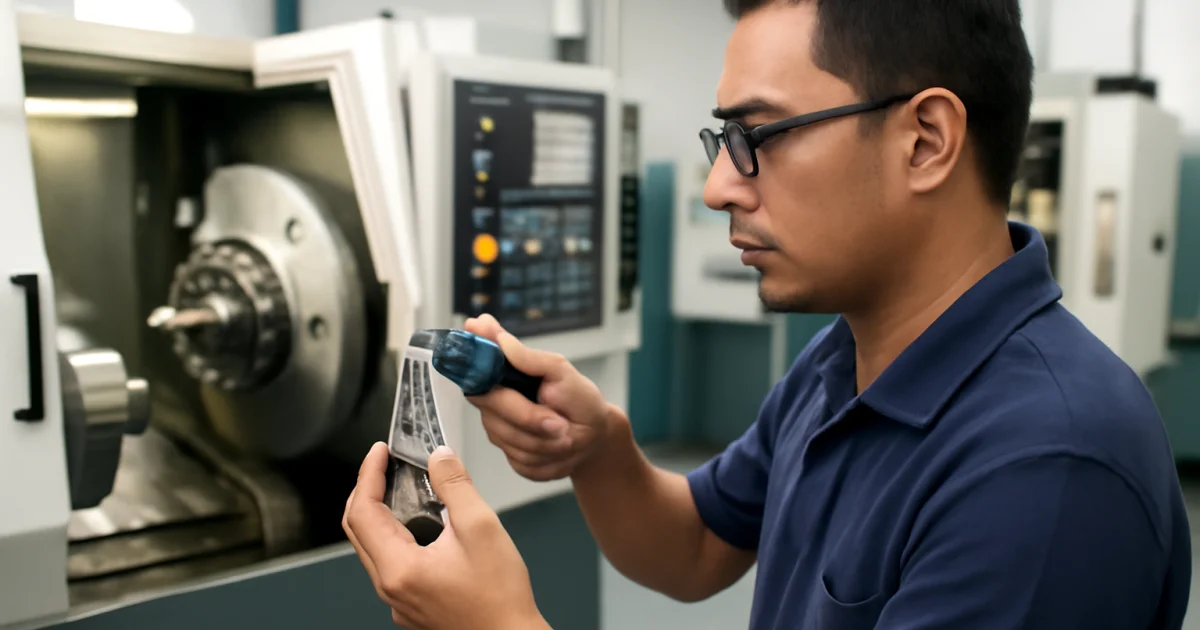
CNC machining and turning are at the heart of Malaysia’s manufacturing sector, supporting industries from electronics to automotive and medical devices. As global competition rises, manufacturers seek ways to ensure their CNC processes deliver consistent quality, efficiency, and cost advantages. This article explores the best practices for CNC machining and turning in Malaysia, highlighting how to maximize both quality and operational performance for demanding production environments.
Malaysia’s manufacturing landscape has evolved rapidly over the past decades, with CNC machining and turning becoming foundational for precision engineering. From producing intricate electronic housings to robust automotive components, CNC technologies enable repeatable, high-accuracy results. However, delivering excellence requires more than just advanced equipment—it demands a strategic approach spanning design, tooling, process control, and skilled talent.
Quality outcomes begin with detailed design and engineering. Involving CNC machining experts early in the product design process helps identify features that may complicate manufacturing, such as complex geometries, tight tolerances, or challenging material choices. Collaborative design-for-manufacturability (DFM) reviews can reduce costly redesigns and streamline both machining and turning requirements.
In Malaysia, leading CNC shops invest in advanced CAD/CAM systems, simulation tools, and close engineering partnerships with their clients. This approach ensures that part drawings, GD&T specifications, and material requirements are unambiguous and optimized for local CNC capabilities. Early engagement also helps select the ideal materials—be it high-grade metals or engineered plastics—based on mechanical, thermal, and cost considerations.
The performance of any CNC machining or turning operation depends heavily on the quality of its tooling and the reliability of its machines. Investing in high-precision tools and maintaining them regularly extends tool life, reduces scrap, and ensures dimensional consistency across batches.
Malaysian manufacturers committed to excellence implement strict preventive maintenance schedules for their lathes, mills, and multi-axis machines. They monitor spindle health, alignment, lubrication, and tool wear using digital sensors and inspection routines. Upgrading to modern tooling systems—such as quick-change tool holders or high-speed carbide inserts—can further boost productivity, especially for frequent part changes or high-mix production environments.
For customers needing both CNC machining and turning as well as related services like custom jigs and fixtures, partnering with a provider offering in-house tooling and fixture fabrication unlocks faster project turnaround and better process control.
To consistently deliver high-quality parts for sectors like automotive, semiconductor, and medical devices, process standardization is crucial. Standard operating procedures (SOPs), clear work instructions, and comprehensive training ensure each operator follows best practices, regardless of shift or batch size.
Modern CNC workshops in Malaysia often utilize digital process control, automated measurement systems, and statistical process control (SPC) to monitor critical dimensions in real time. This data-driven approach quickly flags deviations, allowing immediate corrective action and minimizing the risk of out-of-spec components reaching customers.
Comprehensive quality assurance programs—covering incoming material inspection, in-process checks, and final dimensional verification—are essential. For projects demanding traceability or regulatory compliance (such as medical device or aerospace components), robust documentation and batch tracking systems should be in place.
One growing trend among top Malaysian manufacturers is the integration of multiple capabilities under a single roof. By combining CNC machining, turning, injection molding, sheet metal fabrication, and assembly, companies reduce logistical delays, streamline communication, and speed up new product introduction.
Vertically integrated manufacturing partners can manage the entire lifecycle—from tooling and prototyping to full-scale production and box-build assembly. This not only shortens lead times but also improves quality control, as all key steps are monitored within a unified quality system. For example, when a CNC-turned part requires subsequent metal stamping or injection molding, process handovers are seamless, reducing the risk of errors and rework.
Choosing a contract manufacturer with proven experience in precision CNC machining and turning ensures customers benefit from technical know-how, process integration, and established quality frameworks.
Malaysian manufacturers are increasingly embracing Industry 4.0 principles to stay competitive. Automation—such as robotic part loading, automated tool changers, and real-time monitoring—reduces human error, improves throughput, and allows for lights-out production during off-hours.
Digitalization also plays a key role. By implementing machine connectivity, data analytics, and predictive maintenance, operators can optimize production scheduling, preempt equipment failures, and continuously improve process efficiency. This approach is particularly valuable for sectors like electronics and medical devices, where high volumes and strict tolerances are the norm.
Furthermore, integrating digital quality control with manufacturing execution systems (MES) enables real-time traceability, helping customers meet demanding quality standards and regulatory requirements. Such systems are a hallmark of leading Malaysian CNC shops delivering to MNCs and global OEMs.
Even with the best machines and automation, skilled human talent remains essential. Leading CNC machining and turning companies in Malaysia prioritize technical training, certification, and upskilling for their staff. This investment ensures operators can program complex parts, interpret engineering drawings, and troubleshoot issues quickly.
Continuous learning—through workshops, vendor training, and knowledge sharing—keeps teams up to date with the latest machining technologies, materials, and process innovations. Companies fostering a culture of quality, ownership, and problem-solving are better positioned to adapt to customer requirements and evolving industry needs.
To achieve world-class outcomes in CNC machining and turning, Malaysian manufacturers must embrace best practices across design, tooling, process control, integration, automation, and workforce development. By doing so, they deliver precision components that meet the stringent requirements of global industries—while maintaining cost efficiency, fast lead times, and reliable quality.
For organizations seeking a trusted partner in CNC machining and turning in Malaysia, selecting a provider with vertically integrated capabilities, state-of-the-art facilities, and a proven commitment to quality assurance is key to long-term manufacturing success.
Looking to enhance your project’s quality and efficiency? Consider working with a partner that combines technical expertise, advanced manufacturing, and a dedication to continuous improvement.
Key factors include part design, material selection, precision tooling, machine maintenance, process control, operator skill, and robust quality assurance systems. Collaborating closely with experienced CNC partners helps ensure these elements are optimized for your project.
Lead times can be minimized by working with vertically integrated manufacturers who handle everything from tooling and machining to assembly in-house. Efficient scheduling, digital process management, and clear communication also contribute to faster project turnaround.
Industries such as electronics, automotive, medical devices, semiconductor equipment, and industrial machinery rely heavily on high-precision CNC machining and turning for components requiring tight tolerances and consistent quality.
Automation, including robotic loading, automated tool changers, and real-time monitoring, reduces manual errors, increases throughput, and supports 24/7 production. It also enables predictive maintenance and real-time quality monitoring for higher process reliability.
Look for a partner with advanced CNC equipment, integrated capabilities (such as tooling, fabrication, and assembly), certified quality systems, a skilled workforce, and a track record of serving global industries. These attributes ensure reliable quality, efficiency, and support for complex projects.
Ready to elevate your manufacturing with precision CNC machining and turning? Professional Tools & Dies Sdn. Bhd. delivers integrated solutions, advanced facilities, and decades of expertise to meet your quality and efficiency goals. From design and tooling to final assembly, we support your success every step of the way. Discover how our manufacturing capabilities can drive your next project forward.