Choosing the right CNC machining and turning provider in Malaysia is a mission-critical decision for procurement officers, project managers, and buyers who need consistent quality, reliable delivery, and a partner who can support evolving manufacturing requirements. Whether your project involves precision components for semiconductor equipment, automotive parts, or specialized fabrication, selecting the right vendor reduces risk and drives long-term success. This comprehensive checklist walks you through the essential criteria for evaluating CNC machining and turning partners in Malaysia.
1. Assess Technical Capabilities and Equipment
The foundation of accurate CNC machining and turning is technical competency and investment in modern manufacturing. Evaluate the following:
- Machine Inventory: Review the provider’s CNC milling, turning, and multi-axis machinery. Up-to-date, well-maintained equipment ensures tighter tolerances, improved efficiency, and flexibility for both small-batch and large-scale production.
- Material Expertise: Confirm the supplier’s capability to machine a broad range of materials such as aluminum, stainless steel, engineering plastics, and specialty alloys. This versatility supports projects across the electronics, automotive, and medical device sectors.
- Production Complexity: Ensure the company can deliver both intricate prototypes and repeatable high-volume runs, adapting to your changing needs without sacrificing consistency.
- CAD/CAM Integration: Ask about the use of advanced digital workflows, including CAD/CAM software, for streamlined design-to-production and improved part accuracy.
- Support for Tooling & Fixtures: Providers offering in-house design and manufacture of jigs, fixtures, or custom tooling can enhance quality and support efficient changeovers.
Partners with comprehensive CNC facilities and advanced engineering can deliver high-precision parts for demanding industries. For example, many top suppliers also offer sheet metal fabrication, precision injection molding, and tooling capabilities for end-to-end project support.
2. Validate Quality Assurance and Certifications
Quality is non-negotiable in precision manufacturing. Before making a selection, examine these checkpoints:
- Certifications: Look for ISO 9001 or industry-specific certifications. These demonstrate robust quality management systems and a commitment to process control.
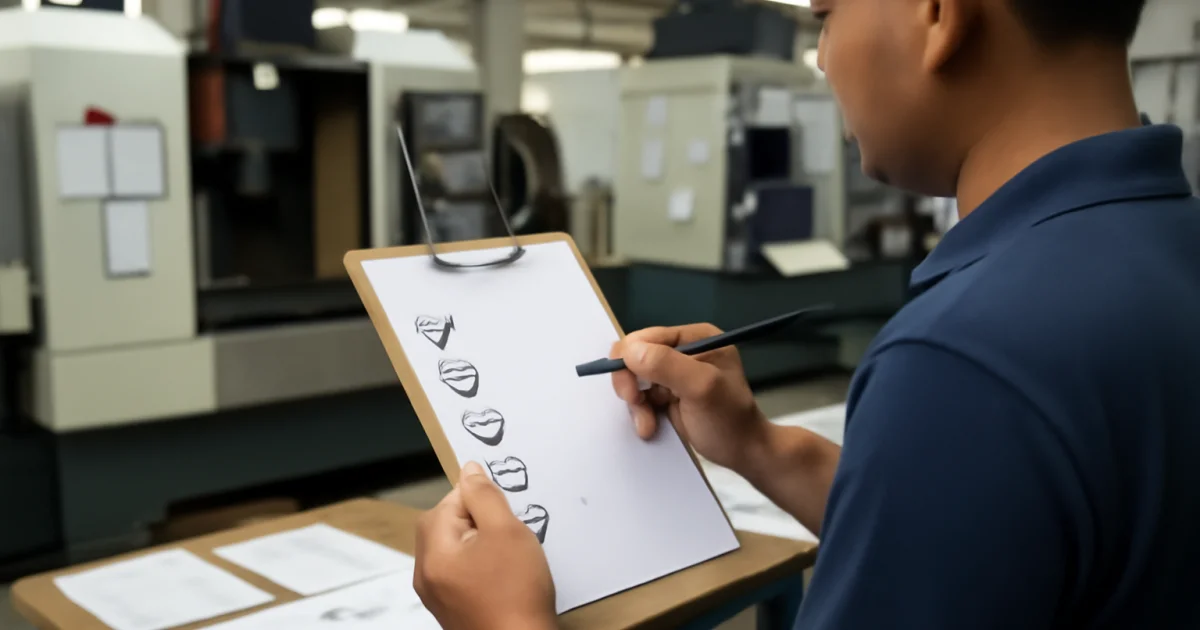
- Inspection Technology: Confirm the use of calibrated measurement tools (such as CMMs, vision systems, and gauges) and documented in-process and final inspections.
- Traceability: Inquire about batch traceability, material certification, and full process documentation. These are critical for safety- and compliance-driven sectors, such as medical, automotive, and industrial equipment manufacturing.
- Non-Conformance Handling: Evaluate the provider’s process for root-cause analysis, corrective action, and continuous improvement. Reliable suppliers address defects proactively and transparently.
Consistent quality assurance reduces costly rework, builds trust, and ensures every shipment meets your technical specifications. A strong focus on quality is also vital for projects involving plastic injection molding Malaysia and metal stamping applications.
3. Review Experience in Precision Engineering
Proven experience is a powerful predictor of reliability and technical problem-solving. Consider:
- Industry Track Record: Prioritize providers with a strong history in your sector—semiconductor, automotive, electrical & electronics, industrial machinery, or medical devices.
- Portfolio & References: Request case studies, sample parts, or references that demonstrate delivery of complex, high-precision components similar to your needs.
- Engineering Support: Assess the depth of the provider’s engineering team and their ability to offer design-for-manufacturability (DFM) input, process optimization, and troubleshooting.
- Successful Projects: Inquire about previous projects that required meeting challenging tolerances, short lead times, or regulatory compliance, including those involving jigs and fixtures or integrated assemblies.
Suppliers with decades of experience and an understanding of sector-specific requirements are better equipped to deliver reliable, repeatable results. Their knowledge can also help you optimize part design and lower overall production costs.
4. Evaluate End-to-End Capabilities and Value-Add Services
Integrated manufacturing capabilities streamline your supply chain and minimize coordination challenges. When evaluating CNC machining partners, consider their broader manufacturing ecosystem:
- Vertical Integration: Can your supplier offer related services such as sheet metal fabrication, injection molding, metal stamping, and assembly? A vertically integrated provider can reduce handoffs and improve project control.
- Custom Tooling & Fixtures: Does the provider design and manufacture their own jigs, fixtures, and dies? In-house tooling reduces delays, supports production accuracy, and can provide cost advantages.
- Module & Box-Build Assembly: For complex products, check if the provider can integrate machined, stamped, and molded parts into finished modules or complete assemblies, including testing and packaging.
- Cleanroom & Specialized Facilities: For sensitive sectors such as medical or semiconductor, ask about cleanroom manufacturing or assembly environments to meet stringent contamination controls.
- Contract Manufacturing Solutions: Some Malaysian providers offer comprehensive contract manufacturing, allowing customers to consolidate machining, fabrication, molding, stamping, and assembly with one trusted partner.
Collaborating with a supplier who offers a full suite of services—from CNC machining to box-build assembly—can cut transit times, reduce costs, and improve overall product quality. For more details, see Professional Tools & Dies Sdn. Bhd.’s CNC machining & turning capabilities.
5. Scrutinize Communication, Project Management, and Delivery
Strong communication and project management are critical for smooth project execution and timely delivery. Review the following:
- Responsiveness: Evaluate how promptly and clearly the provider responds to RFQs, technical questions, and project updates. Timely communication helps prevent costly misunderstandings.
- Structured Project Tracking: Look for evidence of established project management practices, including regular progress updates, milestone reviews, and transparent delivery timelines.
- Lead-Time Commitments: Confirm the provider’s quoted lead times, flexibility to accommodate urgent requirements, and their ability to scale with your production needs.
- After-Sales Support: Choose a partner who stands by their work, offering technical assistance, warranty support, and a clear process for handling feedback or issues after delivery.
Effective communication and proactive project management are essential for avoiding delays, reducing risk, and delivering a positive experience from start to finish. These qualities are especially important when managing projects that require coordination across multiple manufacturing disciplines.
6. Consider Cost, Terms, and Long-Term Partnership Approach
While cost is always a consideration, the lowest price rarely delivers the best value. Balance pricing with capability and service by looking at:
- Transparent Pricing: Insist on detailed, itemized quotations and clear explanations of payment terms. Transparency helps you understand the true value of each process step.
- Value Engineering: Favor providers who proactively suggest ways to optimize your part design, reduce unnecessary features, or select more cost-effective materials—delivering long-term savings without sacrificing quality.
- Scalability: Assess the supplier’s capacity to scale production volumes up or down as your requirements change, maintaining quality and service levels at every stage.
- Long-Term Partnership: Seek out partners who are committed to understanding your business, collaborating on future projects, and continuously improving their service and processes.
Prioritizing value, reliability, and transparent communication over price alone ensures your manufacturing partner adds strategic value to your supply chain. A trusted CNC provider in Malaysia can evolve with your needs, supporting everything from prototyping to mass production, including projects involving plastic injection molding, sheet metal fabrication, and contract manufacturing solutions.
Conclusion: Make Informed Decisions for Manufacturing Success
Choosing a CNC machining and turning provider in Malaysia demands a systematic approach that balances technical capabilities, robust quality assurance, industry experience, integrated services, effective communication, and value-driven partnership. By following this checklist, you’ll minimize risk, achieve consistent production quality, and set the stage for successful long-term collaboration.
For deeper insights into achieving production-ready precision, see our article on how to achieve consistent precision for production-ready parts. If you need a partner with end-to-end expertise in CNC machining, sheet metal fabrication, and assembly, consider Professional Tools & Dies Sdn. Bhd. as your reliable contract manufacturing partner in Malaysia.
Frequently Asked Questions
What factors should I prioritize when choosing a CNC machining and turning provider in Malaysia?
Prioritize technical capabilities, quality certifications, industry experience, end-to-end manufacturing services, communication, and transparent pricing. These factors ensure you receive high-precision components, reliable delivery, and long-term value.
How can I verify the quality standards of a CNC machining company?
Check for industry certifications such as ISO 9001, review their inspection processes, ask about material traceability, and request documented quality control procedures. A reputable provider should be able to demonstrate robust quality management.
Why is vertical integration important in CNC machining providers?
Vertical integration means the provider can handle multiple manufacturing steps—such as tooling, machining, fabrication, and assembly—under one roof. This streamlines coordination, reduces lead times, minimizes errors, and often results in cost savings.
What value-added services should I look for beyond CNC machining?
Look for providers offering related services like sheet metal fabrication, injection molding, metal stamping, jigs and fixtures, and assembly. These capabilities allow for more efficient project management and complete manufacturing solutions.
How do I ensure effective communication and project management with my chosen CNC partner?
Choose providers who are responsive, offer structured project tracking, give regular updates, and provide after-sales support. Clear communication reduces misunderstandings and ensures projects stay on schedule.
Ready to Partner with a Trusted CNC Machining & Turning Provider in Malaysia?
Professional Tools & Dies Sdn. Bhd. offers vertically integrated CNC machining, turning, sheet metal fabrication, injection molding, and contract manufacturing—delivering precision, quality, and reliability for your projects. With over three decades of experience and advanced production facilities, we support global MNCs and high-precision industries across Malaysia. Explore how our end-to-end manufacturing can empower your next project.
Contact Professional Tools & Dies Today