+604 332 2335
sales@professional-tools.com
+604 332 2335
sales@professional-tools.com


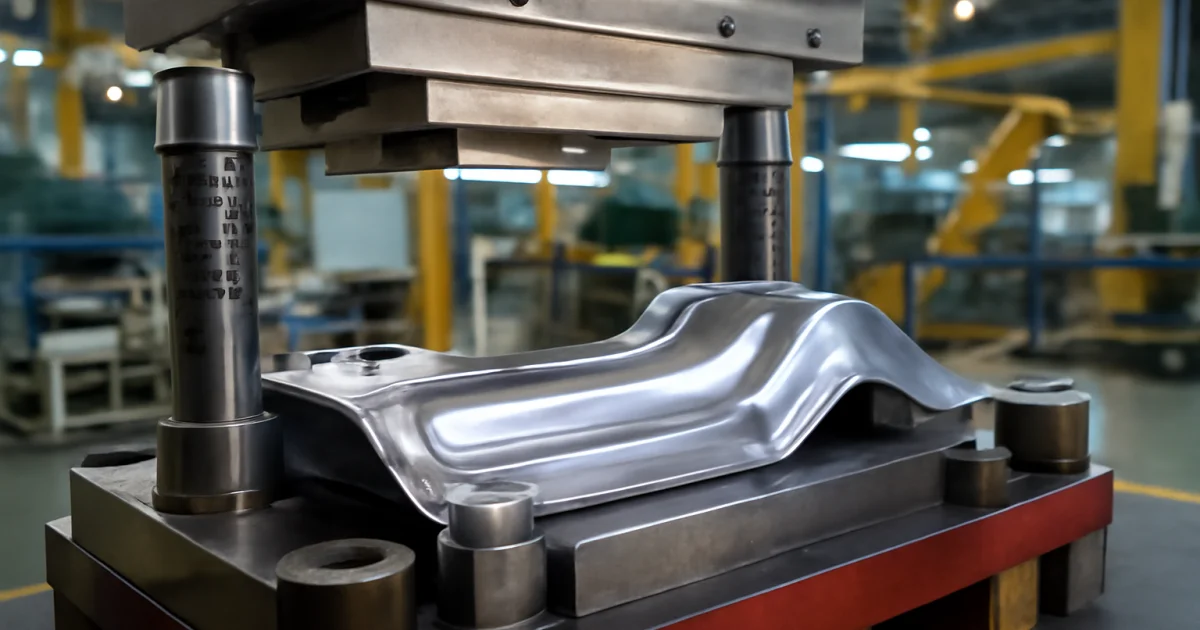
Precision and reliability are critical in automotive manufacturing, where every millimeter matters. One of the core enablers of consistent quality in this sector is the use of high-precision sheet metal stamping dies. These specialized tools shape and form metal components that become part of vehicles’ bodies, chassis, and structural assemblies. For automotive OEMs and component suppliers, the right stamping die partner can be the difference between seamless production and costly delays.
Automotive manufacturers operate in a highly competitive landscape, driven by the need for lightweighting, safety, and cost efficiency. Vehicle designs are increasingly complex, requiring precision-formed metal parts for body panels, brackets, and reinforcements. Sheet metal fabrication must deliver not just accuracy, but repeatability across high volumes. Stamping dies are the hidden workhorses that make this possible.
In Malaysia, where supply chains serve both domestic and global automotive brands, manufacturers face added pressure to meet international quality standards while optimizing cost and lead time. Precision tooling, robust die construction, and advanced fabrication methods are essential. Sheet metal fabrication expertise is especially vital for automotive project leads evaluating partners for new model launches or production ramp-ups.
An automotive OEM approached Professional Tools & Dies Sdn. Bhd. with the need for high-precision stamping dies to manufacture a series of intricate structural brackets. The requirements included:
The project demanded not just technical expertise in die fabrication, but also a collaborative engineering approach to ensure manufacturability, durability, and rapid time-to-market.
The Professional Tools & Dies team began by working closely with the OEM’s engineering group, reviewing part designs and jointly optimizing for manufacturability. Advanced CAD/CAM systems enabled virtual die simulations to predict material flow and identify potential issues before fabrication began.
Key steps in the approach included:
Throughout the process, transparent communication and rapid feedback cycles ensured that all engineering changes could be incorporated efficiently, minimizing delays.
The delivered sheet metal stamping dies exceeded the OEM’s performance criteria:
This project highlighted the value of combining advanced metal stamping services with collaborative engineering support. By leveraging vertically integrated capabilities—ranging from sheet metal stamping to CNC machining—Professional Tools & Dies enabled the customer to consolidate suppliers and maintain tight control over quality and lead times.
This demonstrates several key lessons for automotive manufacturers and suppliers:
For automotive project leads evaluating partners, prioritizing proven experience in high-precision sheet metal stamping dies—and related services like metal fabrication and injection molding—is crucial for long-term production success.
When planning for reliable, long-lasting tooling in automotive manufacturing, design and maintenance best practices play a pivotal role. The complexity of modern vehicle designs means that dies must not only be robust but also adaptable to evolving production needs. Here are important considerations for engineering teams and project managers:
To maximize project success, automotive manufacturers and suppliers should use a rigorous checklist when evaluating potential die fabrication partners:
By following this checklist, project leads can reduce risk and foster long-term partnerships that deliver both innovation and consistency to automotive manufacturing lines.
High-precision sheet metal stamping dies are foundational to automotive manufacturing, enabling the production of complex components with consistency and speed. Choosing a partner with deep engineering expertise, modern production facilities, and a commitment to quality ensures that automotive OEMs and suppliers can achieve the high standards demanded by today’s market. Professional Tools & Dies Sdn. Bhd. continues to support leading automotive projects with proven solutions in die fabrication and integrated manufacturing services.
For more examples of precision in action, explore our sheet metal fabrication techniques and stamping die project photos.
A sheet metal stamping die is a specialized tool used to cut and form sheet metal into precise shapes required for automotive components. It ensures repeatable accuracy and quality across high-volume production, which is essential for maintaining tight tolerances and safety standards in the automotive industry.
High-precision stamping dies reduce material waste, minimize downtime due to tool wear, and enable faster changeovers on automated press lines. This results in more consistent part quality, lower defect rates, and increased throughput for automotive manufacturers.
Key factors include the partner’s engineering capabilities, experience with complex geometries, quality assurance processes, ability to work with advanced materials, and capacity to deliver integrated services such as CNC machining and sheet metal fabrication.
Early collaboration allows for design optimization, ensures manufacturability, and speeds up the tooling development process. It helps prevent costly design changes later, resulting in shorter lead times and smoother production ramp-ups.
Yes, some suppliers, like Professional Tools & Dies Sdn. Bhd., offer vertically integrated solutions including die fabrication, sheet metal stamping, CNC machining, and even box-build assembly, allowing customers to streamline their supply chain and improve overall project efficiency.
Partner with Professional Tools & Dies Sdn. Bhd. for advanced die fabrication, metal stamping, and integrated manufacturing services tailored for automotive projects. With over three decades of experience, modern production facilities, and a commitment to quality, we help automotive OEMs and suppliers achieve reliable, cost-efficient production outcomes.