+604 332 2335
sales@professional-tools.com
+604 332 2335
sales@professional-tools.com


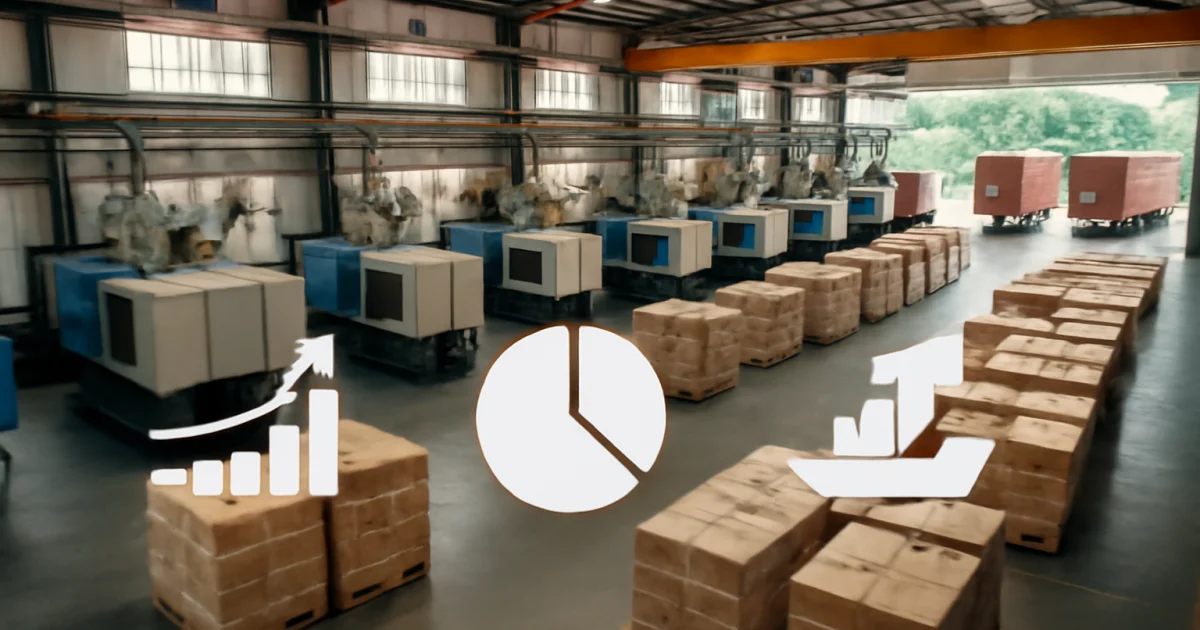
Malaysia has established itself as a major hub for plastic injection moulding manufacturing in Southeast Asia, serving global industries ranging from electronics and automotive to medical devices and industrial machinery. For procurement officers, business analysts, and decision-makers evaluating suppliers, understanding the underlying output, capacity, and export trends is critical for informed sourcing strategy. This article provides a comprehensive overview of the current landscape for plastic injection moulding manufacturers in Malaysia, focusing on practical statistics and industry drivers relevant to international buyers. For readers comparing options, Plastic Injection Moulding Manufacturers Malaysia is the main topic this guide explains.
Plastic injection moulding is a cornerstone of Malaysia’s manufacturing sector. The country’s strategic location, skilled workforce, and established industrial infrastructure have attracted both multinational corporations and local manufacturers to invest in high-quality injection moulding operations. The industry produces a diverse array of precision-moulded parts for sectors such as semiconductors, electrical and electronics, automotive, medical devices, and telecommunications.
Malaysia’s injection moulding manufacturers support the entire production lifecycle—from tooling and prototyping through to high-volume component manufacturing and assembly. Many companies offer vertically integrated services, combining mould and die fabrication, CNC machining, metal fabrication, and module assembly to streamline supply chains for international clients.
While specific annual output figures can fluctuate due to global demand and local economic factors, Malaysia’s plastic injection moulding sector is recognized for its significant production volumes. Manufacturers typically operate multiple high-tonnage injection moulding machines, ranging from low to very high clamping force capacities to accommodate diverse part sizes and materials.
Major industrial parks across Penang, Selangor, and Johor house clusters of injection moulding plants, many equipped with automated production lines and cleanroom facilities. This infrastructure supports both high-volume runs for consumer electronics and automotive components, as well as low- to medium-volume precision parts for medical and industrial applications.
Capacity planning is a key competitive advantage. Leading Malaysian manufacturers optimize machine utilization and adopt advanced scheduling systems to minimize downtime. Many facilities have expanded their capacity in recent years through investments in Industry 4.0 automation, robotics, and digital manufacturing platforms, enhancing both throughput and product consistency.
Exports play a central role in Malaysia’s plastic injection moulding landscape. The country supplies precision-moulded plastic and hybrid components to international markets including the United States, Europe, Japan, and other Asia-Pacific economies. Exported items range from electronic device casings and automotive interior parts to medical housings and customized engineering solutions.
Malaysian manufacturers are often chosen by global brands for their ability to meet international quality standards, provide competitive lead times, and offer integrated fabrication-to-assembly services. Export performance is further supported by Malaysia’s well-developed logistics infrastructure, including major seaports and air freight capabilities.
While official export statistics may vary by year and product category, industry participants consistently report steady demand from sectors such as automotive electronics, medical device assembly, and telecommunications infrastructure. This sustained export activity underscores Malaysia’s reputation as a dependable source for high-quality injection moulded components on the international stage.
Several factors contribute to the ongoing growth and reliability of Malaysia’s plastic injection moulding sector. These include:
In addition, the presence of companies offering complementary services—such as plastic injection molding, metal tooling, and sheet metal fabrication—enables buyers to consolidate their supply chains with fewer partners, further improving efficiency.
Malaysia’s injection moulding manufacturers serve a broad spectrum of industries. In electronics and semiconductors, precision-moulded plastic and metal parts are critical for device protection, circuit housings, and connectors. Automotive manufacturers rely on Malaysian suppliers for interior trim, under-hood components, and safety-related parts, benefitting from rigorous quality control and scalable output.
The medical device sector values Malaysia’s capabilities in cleanroom injection moulding and assembly, essential for producing housings and components for diagnostic equipment and consumables. Industrial and telecommunications companies source customized brackets, enclosures, and fabricated assemblies, leveraging the country’s advanced tooling and metal fabrication expertise.
For buyers seeking high quality injection molding services or evaluating suppliers for complex or regulated applications, Malaysia stands out as a reliable partner with a proven track record for both volume and precision work.
When selecting a plastic injection moulding partner in Malaysia, buyers should assess not only quoted capacity and output but also the manufacturer’s ability to provide end-to-end solutions. Companies offering in-house mould and die fabrication, CNC machining, and integrated assembly can often deliver better cost efficiencies, tighter quality control, and reduced time-to-market.
It’s also important to review past export experience, certifications, and the ability to handle industry-specific requirements. Many established Malaysian manufacturers have a global track record, serving sectors that demand stringent quality and traceability standards.
For additional insights on choosing the right supplier, see Plastic Injection Molding In Malaysia: Choosing The Right Precision Manufacturer and explore examples in the Plastic Injection Molding Photos gallery.
When considering sourcing strategies in Asia, it is useful to compare Malaysia’s injection moulding sector with those of neighboring countries such as Thailand, Vietnam, and Indonesia. Malaysia distinguishes itself through its robust regulatory environment, higher rates of ISO and medical-grade certifications, and a higher concentration of manufacturers capable of handling complex, multi-cavity tooling and cleanroom production. While Vietnam and Indonesia may offer lower labor costs, Malaysian firms often provide greater value through integrated services, better intellectual property protection, and advanced automation, all of which are critical for sensitive or high-precision applications.
For example, multinational electronics firms have established regional bases in Malaysia due to the country’s proven track record in delivering defect-free, high-tolerance parts for global supply chains. This is supported by strong government incentives for technology adoption and export-oriented manufacturing, as well as stable political and economic conditions that reduce sourcing risk for international buyers.
The plastic injection moulding industry in Malaysia continues to demonstrate robust output, scalable capacity, and strong export performance. For multinational corporations and procurement professionals, the sector offers a strategic combination of advanced manufacturing, skilled talent, and integrated solutions covering plastic, metal, and assembly requirements. By understanding the key drivers and practical aspects of Malaysia’s injection moulding landscape, buyers can make informed sourcing decisions to support quality, efficiency, and global competitiveness.
Malaysia offers a combination of skilled labour, advanced manufacturing infrastructure, strategic location, and established export experience. Its manufacturers provide integrated services from tooling to assembly, serving diverse industries and meeting international quality standards.
Manufacturers in Malaysia invest in advanced machinery, automated processes, and quality assurance certifications such as ISO 9001 and ISO 13485. Many offer cleanroom facilities and implement strict process controls to ensure consistent product quality, especially for regulated sectors.
Malaysian manufacturers export a wide range of products including electronic device housings, automotive components, medical device parts, industrial enclosures, and telecommunications equipment, catering to global markets with diverse requirements.
Integrated manufacturing—combining tooling, injection moulding, CNC machining, metal fabrication, and assembly—reduces lead times, improves quality control, and simplifies supplier management, resulting in cost and efficiency advantages for international buyers.
You can explore Affordable Plastic Injection Molding Services In Malaysia for detailed insights on selecting reliable suppliers and understanding the capabilities offered by leading manufacturers.
Professional Tools & Dies Sdn. Bhd. delivers integrated plastic injection moulding, precision tooling, CNC machining, and assembly solutions for global industries. With over 30 years of experience and advanced manufacturing facilities, we help you achieve reliable quality, efficient lead times, and cost-effective production. Contact us today to discuss your next project or request a customised quote.