+604 332 2335
sales@professional-tools.com
+604 332 2335
sales@professional-tools.com


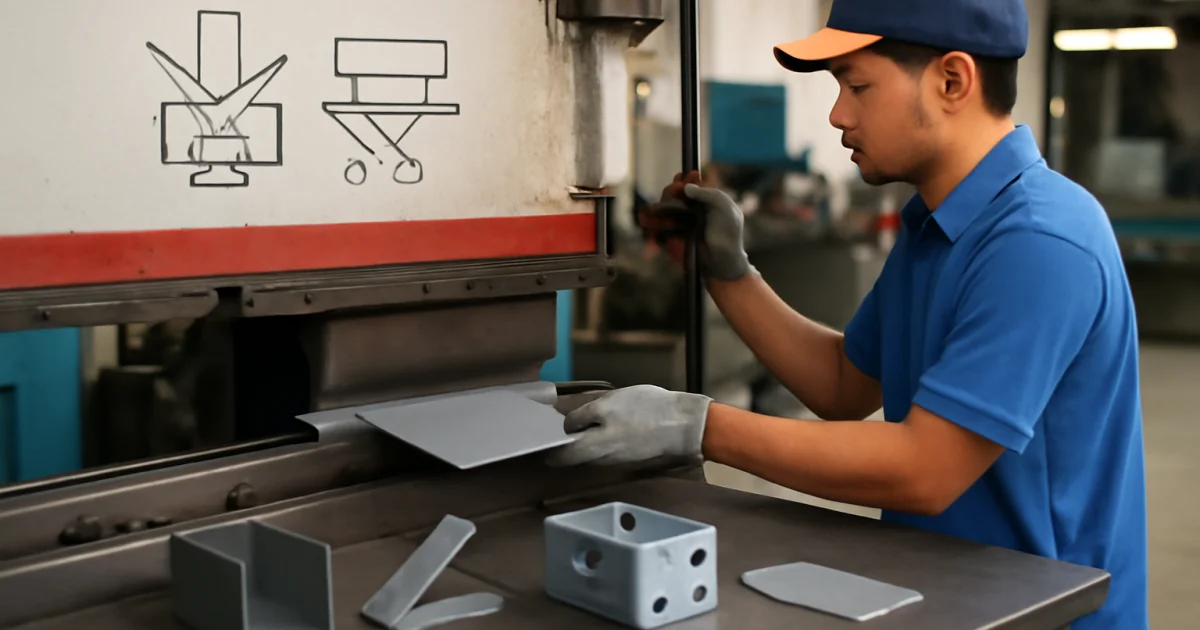
Sheet metal fabrication is a crucial manufacturing process that shapes the backbone of many industries in Malaysia, from electronics and automotive to construction and medical devices. For beginners, understanding how sheet metal is transformed into precise components and assemblies can be both exciting and highly practical. This guide covers the basics of sheet metal fabrication in Malaysia, including core processes, materials, typical applications, and what makes it an essential service for modern manufacturing. For readers comparing options, Sheet Metal Fabrication Malaysia is the main topic this guide explains.
Sheet metal fabrication is the process of converting flat metal sheets into finished parts or structures through cutting, bending, forming, and assembly. Companies across Malaysia rely on these services to create everything from simple brackets to complex machine enclosures. Popular metals used include steel, stainless steel, aluminium, copper, and brass, each selected for specific properties like strength, corrosion resistance, or electrical conductivity.
Several core processes allow fabricators to shape and finish metal sheets with high accuracy. Here’s an overview of the most common methods used in Malaysia:
Each step requires skill, the right equipment, and quality control to ensure accuracy and repeatability—especially for industries like electronics and automotive, where precision is critical.
The choice of sheet metal material depends on the intended use, required strength, and environmental factors. In Malaysian fabrication, these are the most common:
Material selection is a key step, ensuring the fabricated part meets strength, durability, and compliance requirements for its application.
Sheet metal fabrication supports a broad spectrum of industries in Malaysia, each with unique requirements:
Sheet metal fabrication also plays a role in building construction, renewable energy, and oil & gas industries, supporting both local and multinational companies with custom solutions.
Malaysia’s sheet metal fabrication sector is known for its blend of skilled workforce, modern technology, and vertically integrated services. Leading companies offer:
This integrated approach reduces lead times and costs while supporting customers from concept through to finished assembly.
If you are an entrepreneur, junior engineer, or student, here are practical steps to begin exploring sheet metal fabrication in Malaysia:
Understanding these practical steps will help you navigate the world of sheet metal fabrication and make better decisions for your projects or career.
One practical decision for businesses and startups is whether to invest in in-house fabrication capabilities or to partner with a specialized Malaysian fabricator. In-house fabrication may offer control and faster iteration for very small, ongoing projects, but it requires significant capital for equipment, skilled personnel, and ongoing maintenance. Outsourcing, on the other hand, provides immediate access to advanced machinery and expertise without the overhead. For example, a local electronics startup might find that outsourcing initial production of custom enclosures allows them to quickly scale up while focusing internal resources on design and product development. As volume grows, periodic reviews can help determine if in-house investment becomes cost-effective.
Newcomers to metal fabrication frequently encounter challenges that can lead to costly mistakes or production delays. One common error is underestimating the minimum bend radius required for specific materials, resulting in cracked or deformed parts. Another is neglecting to specify tolerances, which can cause fitment issues during assembly. Choosing the wrong material for an application—such as using standard steel in a corrosive environment—can accelerate wear or lead to premature failure. To avoid these pitfalls, always consult with experienced fabricators early in the design phase, and request design feedback before finalizing drawings. Utilizing checklists for material selection, thickness, and finish requirements can further reduce errors.
Sheet metal fabrication in Malaysia is a dynamic field supporting diverse industries with custom, high-quality solutions. By understanding the key processes, materials, and local capabilities, beginners can appreciate how fabricated metal parts shape everyday products and infrastructure. Whether you are designing a prototype, managing a production run, or simply learning about manufacturing, partnering with experienced Malaysian fabricators ensures access to advanced technology, skilled engineering, and reliable results.
Sheet metal fabrication is the process of transforming flat metal sheets into finished parts or assemblies through cutting, bending, forming, and joining. In Malaysia, it is essential for producing components used in electronics, automotive, medical devices, industrial machinery, and more, supporting both local manufacturing and export industries.
Common materials include mild steel, stainless steel, aluminium, copper, and brass. The choice depends on factors like required strength, corrosion resistance, weight, conductivity, and application environment.
Key processes include cutting (using shears or laser cutters), bending (with press brakes), punching and stamping (for holes and shapes), forming (for curves and ribs), and assembly methods like welding or riveting. These steps turn raw sheets into precise, functional parts.
Look for fabricators with modern equipment, integrated services (like CNC machining and stamping), strong quality control, and experience serving your industry. Visiting their workshop or reviewing sample work can help you assess their capabilities and quality standards.
Yes, many Malaysian companies offer custom engineering, prototyping, and high-precision manufacturing using advanced technologies and skilled teams. This allows them to support industries requiring strict tolerances and specialized components.
Partner with Professional Tools & Dies Sdn. Bhd. for precision sheet metal fabrication, stamping, and integrated manufacturing solutions. With over 30 years of experience, advanced facilities, and a commitment to quality, we deliver reliable results for industries such as electronics, automotive, medical, and more. Discover how our expertise can support your next project from design to assembly.