How to Perform Gas Assist Injection Molding in Malaysia: Step-by-Step Tutorial

How to Perform Gas Assist Injection Molding in Malaysia: Step-by-Step Tutorial

Gas assist injection molding is a powerful and advanced technique for producing complex, lightweight, and high-quality plastic components. In Malaysia’s rapidly evolving manufacturing sector, this process is increasingly adopted by industries such as automotive, electronics, and consumer products due to its ability to optimize material usage, eliminate sink marks, and enhance overall design flexibility. Whether you are a process engineer, production supervisor, or technical manager, mastering gas assist injection molding can significantly improve your productivity and product outcomes. This tutorial provides a comprehensive, practical step-by-step guide that addresses the specific needs and challenges of manufacturers in Malaysia. For those seeking to compare their production options, this article offers a clear explanation of Gas Assist Injection Molding Malaysia.

Understanding Gas Assist Injection Molding

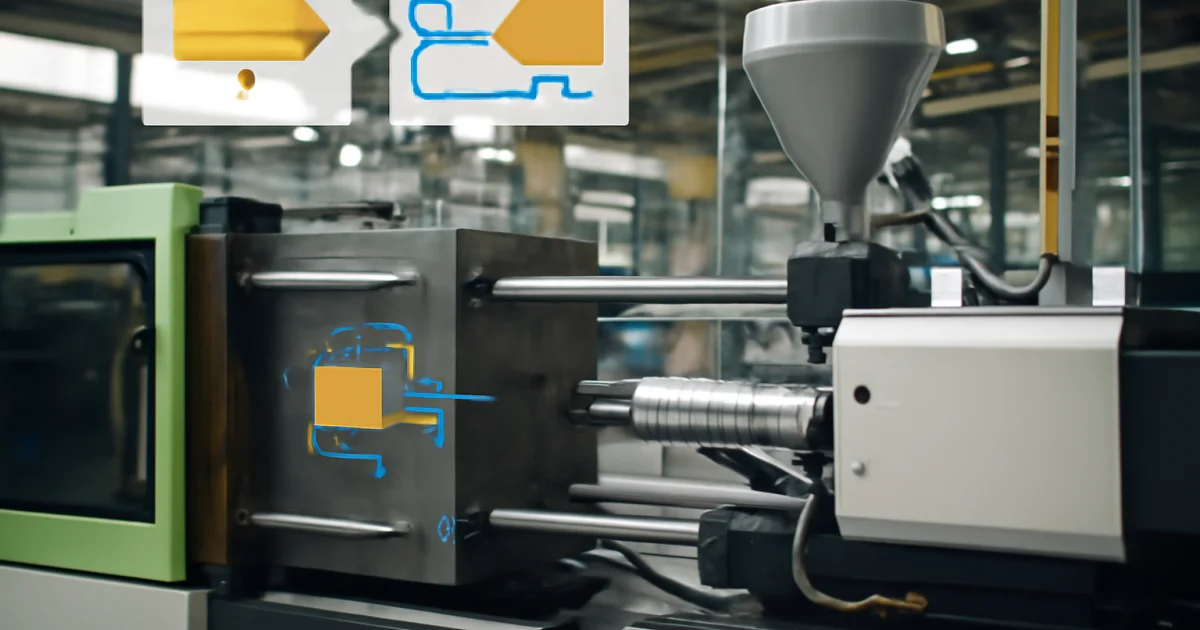
Gas assist injection molding is an advanced process that involves injecting an inert gas, most commonly nitrogen, into molten plastic during the molding cycle. The gas creates hollow channels within the part, pushing the plastic outward against the mold walls. This results in lightweight, dimensionally stable components that maintain structural integrity and high surface quality. In Malaysia, this process is widely utilized in industries including automotive, electrical and electronics, and consumer products manufacturing.

Key advantages include substantial reductions in material consumption, shorter cycle times, and improved mechanical properties. For Malaysian manufacturers competing in high-value markets, gas assist injection molding provides a critical edge by enabling the production of intricate parts from engineering plastics such as ABS, polycarbonate, or reinforced polymers. This technique is often chosen when projects require both design innovation and reliable, repeatable quality.

Benefits and Applications in Malaysian Manufacturing

Malaysian manufacturers use gas assist injection molding to meet a range of production and design challenges. Some of the most significant benefits include:

  • Material and Cost Savings: The hollow core reduces material usage and part weight, supporting cost control and sustainability goals.
  • Enhanced Design Flexibility: Complex, thick-walled, or large parts can be produced with fewer sink marks and reduced warping, meeting stringent customer requirements.
  • Faster Cycle Times: Efficient packing and cooling allow for increased throughput and improved lead times in competitive sectors.
  • Superior Part Quality: Consistent wall thickness, excellent surface finishes, and improved structural performance are achieved, supporting industries like automotive, medical devices, and precision electronics.
  • Integration with Advanced Manufacturing: Gas assist processes are compatible with Industry 4.0 initiatives, such as automation and digital monitoring, allowing for greater process control and traceability.

Applications in Malaysia range from automotive dashboard components and appliance housings to medical device enclosures and precision electronic parts. To explore more about related processes, manufacturers frequently refer to precision injection molding services and structural foam injection molding for complex or large components.

Step-by-Step Guide: Gas Assist Injection Molding Process

  1. Mold and Equipment Preparation
    • Ensure your injection molding machine supports gas assist technology, with appropriate gas injectors and control systems installed.
    • Design and fabricate molds with dedicated gas channels or pins. High-precision mold tooling is crucial to avoid leaks and achieve consistent hollow sections. Malaysian manufacturers often collaborate with experienced local tooling partners for quality assurance.
    • Preheat the mold to the specified processing temperature for your chosen resin, ensuring optimal flow and part formation.
  2. Plasticizing and Injection
    • Load the selected engineering plastic resin—commonly ABS, polycarbonate, polypropylene, or glass-reinforced polymers—into the machine hopper. Choose materials based on mechanical, thermal, and visual needs.
    • Initiate the injection cycle. The screw plasticizes and injects molten resin into the mold, typically filling 70–90% of the cavity (a short shot) to leave room for gas penetration.
  3. Gas Injection
    • At the optimal point—usually just before or after resin fills the cavity—inject high-pressure nitrogen gas via designated pins or channels.
    • The gas forms internal hollow channels, pushing remaining plastic to the mold surfaces. This achieves dense packing, reduces sink marks, and ensures even wall thickness.
    • Carefully monitor gas pressure, flow rate, and timing through the control unit to prevent defects such as over-penetration or incomplete filling.
  4. Holding and Cooling
    • Maintain gas pressure in the part during the holding phase, stabilizing the shape while the plastic solidifies.
    • Control cooling time and temperature to avoid dimensional variation, warping, or surface imperfections. Proper cooling is especially important in Malaysia’s humid climate, which can impact production consistency.
  5. Gas Venting and Part Ejection
    • Release the gas through the venting system, ensuring all residual gas exits before opening the mold.
    • Open the mold and gently eject the finished part. Inspect for surface finish, structural quality, and complete hollow formation. Use quality control protocols common in Malaysian contract manufacturing to verify part accuracy.

Key Considerations for Success in Gas Assist Injection Molding

To ensure consistent, reliable outcomes with gas assist injection molding in Malaysia, pay close attention to the following best practices:

  • Material Selection: Choose engineering plastics well-suited for gas assist. Malaysian suppliers commonly stock ABS, polycarbonate, and reinforced polymers for demanding applications.
  • Mold Design: Work closely with precision mold fabricators to optimize gas channel layout and venting. Using experienced partners like Professional Tools & Dies Sdn. Bhd. can streamline the process and improve final part quality.
  • Process Parameters: Fine-tune gas injection timing, pressure, and the short shot percentage for each part and resin. Adjust settings as needed during production trials.
  • Quality Control: Employ statistical process control and regular inspections to verify dimensional accuracy and surface finish. Malaysian manufacturers often integrate digital monitoring for traceability and defect reduction.
  • Maintenance: Schedule routine inspections and maintenance on gas injectors, seals, and mold components to prevent leaks and maximize uptime.

For more insights on optimizing production lines with advanced injection molding, see our guides on affordable plastic injection molding services in Malaysia and choosing a precision manufacturer.

Common Challenges and Troubleshooting Tips

While gas assist injection molding delivers many advantages, certain challenges may arise:

  • Gas Blow-Through or Over-Penetration: Excessive gas pressure or suboptimal mold design can cause blow-through. Adjust gas parameters and review channel design to prevent defects.
  • Short Shots: If the mold isn’t filled to the correct short shot level before gas injection, incomplete parts may result. Increase initial fill or injection speed as needed.
  • Gas Leakages: Worn seals or improper mold maintenance may cause leaks. Regularly inspect and replace critical components.
  • Surface Imperfections: Optimize cooling rates and gas timing to reduce blemishes and achieve a high-quality finish.
  • Inconsistent Wall Thickness: Can be minimized with precise mold engineering and closely monitored process control.

Collaborating with experienced contract manufacturing partners in Malaysia can help overcome these issues through expert engineering and reliable support for precision tooling and high-quality injection molding services.

Conclusion: Achieving Excellence with Gas Assist Injection Molding in Malaysia

Gas assist injection molding stands out as a valuable process for Malaysian manufacturers aiming to produce lightweight, complex, and high-quality plastic parts. By following a structured, step-by-step approach—from mold preparation and process calibration to thorough quality control—engineering and production teams can unlock greater efficiency, cost savings, and product innovation.

For organizations seeking to enhance their capabilities with advanced injection molding, partnering with an established Malaysian manufacturer like Professional Tools & Dies Sdn. Bhd. provides access to high-precision tooling, integrated manufacturing solutions, and the expertise needed to deliver consistent results in demanding sectors.

Frequently Asked Questions

What is the main benefit of gas assist injection molding compared to conventional molding?

The main benefit is the ability to create complex, lightweight parts with reduced material usage, minimal sink marks, and higher structural integrity. This leads to cost savings, superior aesthetics, and shorter cycle times, especially valuable for Malaysian manufacturers seeking high-quality injection molding services.

Which industries in Malaysia commonly use gas assist injection molding?

Industries such as automotive, electronics, medical device manufacturing, and consumer products frequently use gas assist injection molding in Malaysia to produce precision components with demanding quality and design requirements.

What materials are suitable for gas assist injection molding?

Engineering plastics like ABS, polycarbonate, polypropylene, and glass-reinforced polymers are well-suited for gas assist injection molding. The choice depends on the application’s mechanical, thermal, and visual requirements.

How do you avoid gas blow-through or incomplete filling during the process?

Proper calibration of gas pressure, timing, and mold design is essential. Filling the mold to the recommended short shot percentage and collaborating with experienced mold designers help avoid gas blow-through and ensure complete part formation.

Where can I find precision injection molding services for gas assist technology in Malaysia?

You can partner with established manufacturers like Professional Tools & Dies Sdn. Bhd., who offer high-quality injection molding services, including gas assist technology, precision mold fabrication, and integrated contract manufacturing solutions.

Ready to Transform Your Molding Process?

Unlock the advantages of gas assist injection molding for your next project with Professional Tools & Dies Sdn. Bhd. As a trusted Malaysian partner, we offer precision mold design, advanced injection molding, and integrated manufacturing solutions for demanding applications. Contact our team to discuss your requirements and discover how we can support your production goals.
Request a Consultation