+604 332 2335
sales@professional-tools.com
+604 332 2335
sales@professional-tools.com


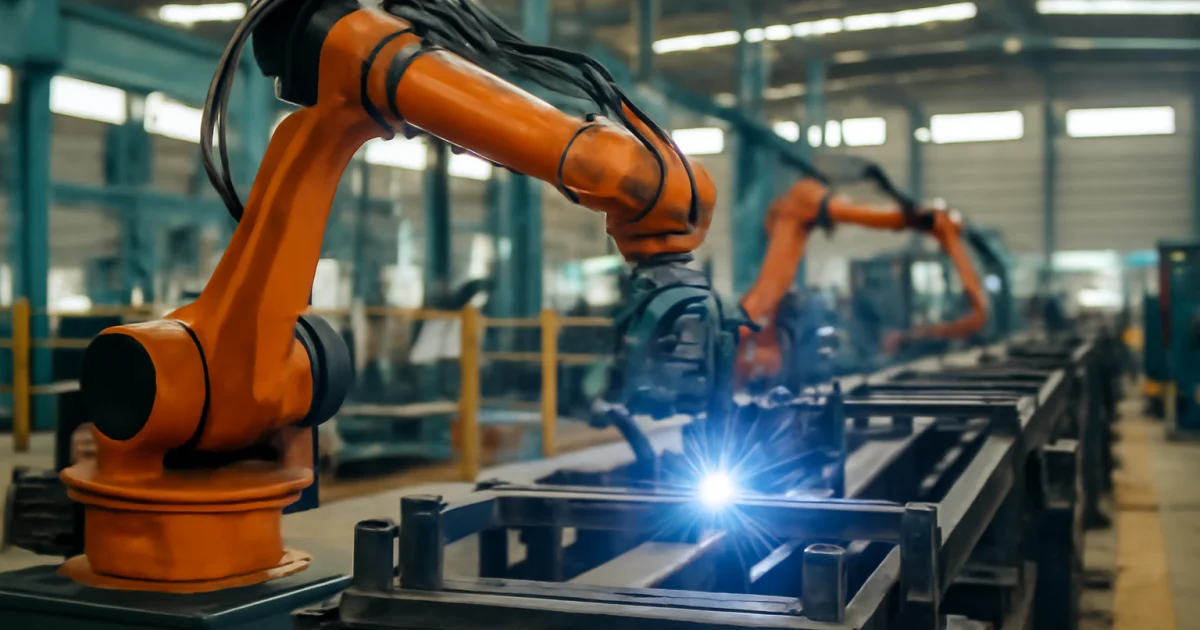
Malaysia’s manufacturing sector stands at a turning point, with automation and advanced technologies rapidly changing the industry’s landscape. Among these innovations, robotic welding has emerged as a transformative force, delivering new levels of precision, efficiency, and consistency across key manufacturing segments. As manufacturers in Malaysia respond to global competition and rising quality demands, the adoption of robotic welding is accelerating, providing a strategic edge for companies seeking to lead in fast-evolving markets. For readers comparing options, Robotic Welding Malaysia is the main topic this guide explains.
Robotic welding involves the use of programmable, automated robots to perform high-precision welding tasks. Unlike traditional manual welding, robots deliver repeatable, highly controlled welds, minimizing human error and variation. This technology is widely used across industries such as automotive, electrical & electronics, semiconductor equipment, and industrial machinery manufacturing—sectors that demand strict tolerances and consistent part quality.
In Malaysia, manufacturers are integrating robotic welding into their production lines to improve productivity and address challenges such as skilled labor shortages and increasing market expectations for quality. The technology’s ability to handle complex geometries, high-mix production, and continuous operations makes it essential for companies aiming to scale efficiently.
Adopting robotic welding offers substantial advantages for forward-thinking manufacturers:
These benefits are particularly significant in industries like electronics manufacturing, automotive, and industrial machinery, where the demand for precision and repeatability is paramount.
The impact of robotic welding can be seen across multiple sectors:
These examples highlight how integrating robotic welding not only improves end-product quality but also supports Malaysia’s competitive positioning in global supply chains.
Robotic welding rarely operates in isolation. Forward-looking Malaysian manufacturers are combining it with other advanced processes such as CNC machining, sheet metal stamping, injection molding, and box-build assembly. This integration creates vertically streamlined production lines, allowing for seamless transitions between component fabrication, welding, and final assembly.
Companies like Professional Tools & Dies Sdn. Bhd. leverage robotic welding alongside precision CNC machining, high-quality plastic injection molding, and sheet metal fabrication to deliver turnkey manufacturing solutions. Such integration not only reduces lead times but also improves control over quality and cost—all vital for international customers and industries with demanding specifications.
While the advantages are clear, several considerations must be addressed to maximize the value of robotic welding:
Manufacturers who address these challenges are positioned to fully leverage the benefits of robotic welding, accelerating their journey toward world-class manufacturing standards.
As Malaysia’s manufacturing sector continues to evolve, the role of robotic welding will only grow in importance. The push toward higher productivity, quality, and global competitiveness aligns perfectly with the capabilities of advanced robotic systems. With strategic investment in automation, upskilling, and vertical integration, Malaysian manufacturers can meet the complex requirements of multinational clients across industries including automotive, electronics, semiconductor, and medical devices.
In an environment where precision, speed, and cost control define success, robotic welding represents a key enabler for companies seeking to lead the next wave of industrial progress in Malaysia and throughout Southeast Asia.
For manufacturers in Malaysia considering the transition to automated welding technologies, it is essential to follow a structured approach to ensure a successful outcome. Below is a practical step-by-step guide to integrating robotic welding into an existing manufacturing environment:
This structured approach reduces risk and accelerates the return on investment by aligning technology deployment with real production needs.
Robotic welding is more than just a technological upgrade—it is a catalyst for transforming Malaysia’s manufacturing landscape. By delivering consistent quality, boosting productivity, and supporting integrated manufacturing strategies, robotic welding empowers local manufacturers to compete globally and respond to rising demands for high-quality, precision-engineered products. As Industry 4.0 adoption accelerates, Malaysian companies embracing robotic welding will be well-positioned to drive innovation and growth in the years ahead.
Robotic welding provides consistent weld quality, higher productivity, improved safety, and cost efficiency. It enables Malaysian manufacturers to achieve repeatable results, reduce defects, and handle complex production requirements with greater flexibility.
Automotive, semiconductor equipment, electrical & electronics, and industrial machinery manufacturing are leading sectors adopting robotic welding in Malaysia, driven by the need for precision and high-volume production.
Robotic welding is often combined with CNC machining, sheet metal fabrication, injection molding, and assembly. This integration streamlines workflows, reduces lead times, and ensures better quality control throughout the production lifecycle.
Challenges include the initial investment in automation, the need for workforce training, custom tooling and fixture design, and integration with digital manufacturing systems. Addressing these factors is essential for maximizing the benefits of robotic welding.
Yes, robotic welding delivers precise and repeatable welds, enhancing the structural integrity of sheet metal and injection-molded assemblies. This is especially valuable for industries requiring high-quality, reliable production outcomes.
Ready to enhance your production quality and efficiency? Professional Tools & Dies Sdn. Bhd. offers advanced robotic welding alongside CNC machining, plastic injection molding, sheet metal fabrication, and integrated assembly solutions. Partner with a trusted Malaysian manufacturer with over three decades of precision engineering experience and a commitment to Industry 4.0 innovation.