+604 332 2335
sales@professional-tools.com
+604 332 2335
sales@professional-tools.com


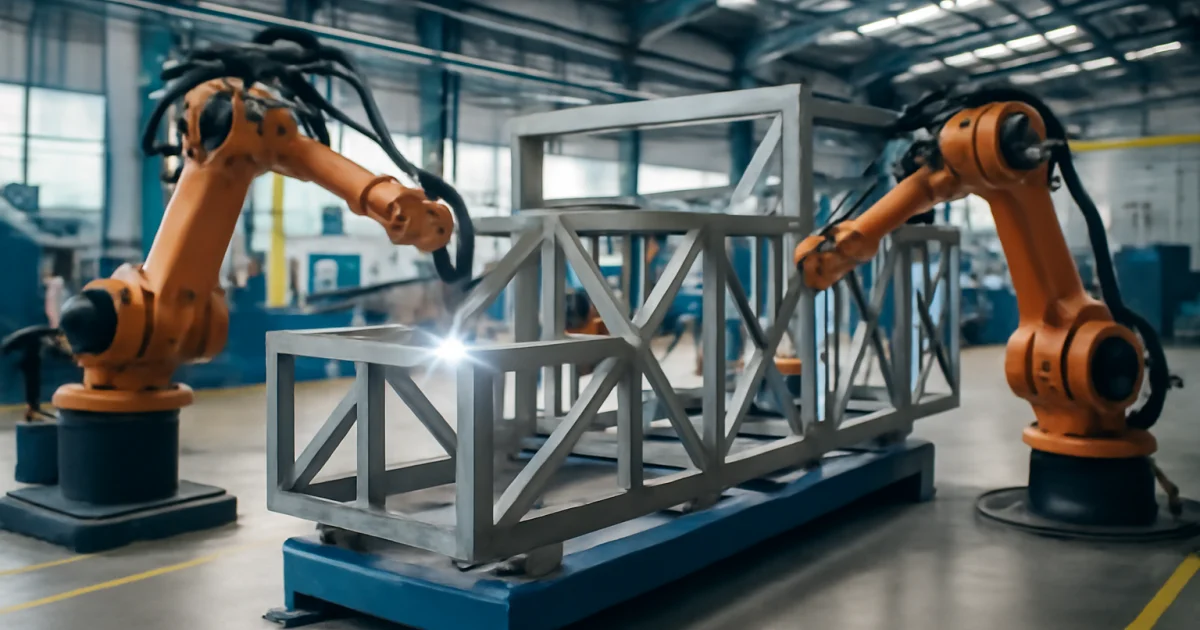
Metal structure fabrication in Malaysia has rapidly transformed in recent years, driven by advancements in automation, precision engineering, and digital technologies. As industries demand higher quality, faster turnaround, and more complex assemblies, fabricators must adapt to stay competitive. This article explores the key trends shaping metal structure fabrication in Malaysia and how leading manufacturers are leveraging new technologies to meet evolving customer expectations.
Malaysia’s industrial landscape is diverse, with sectors such as electronics, automotive, semiconductor, and medical device manufacturing all relying on robust metal structures and custom assemblies. This diversity fuels demand for a wide range of fabrication solutions, from sheet metal fabrication to precision CNC machining and high-quality injection molding. As product requirements become more stringent, manufacturers must invest in advanced equipment and skilled talent to deliver consistent results.
Customers are now looking for fabrication partners that can handle not only basic cutting and welding but also complex assemblies, tight tolerances, and integrated box-build services. The ability to provide end-to-end solutions—covering everything from mold and die fabrication to final assembly—has become a significant competitive advantage.
One of the most significant changes in Malaysia’s metal fabrication sector is the adoption of automation and Industry 4.0 practices. Automated robotic arms, CNC laser cutters, and digital production monitoring systems are increasingly common in modern fabrication facilities. These technologies enable greater accuracy, faster production cycles, and improved repeatability, directly benefiting sectors that require high-precision components such as semiconductor equipment and medical devices.
Industry 4.0 integration also allows for smarter scheduling, real-time quality checks, and predictive maintenance. By connecting machines and workflows digitally, fabricators can reduce downtime, minimize errors, and provide customers with transparent production updates. This shift is especially valuable for multinational clients and OEMs who demand traceability and reliability throughout the manufacturing process.
With customers expecting higher quality and more complex designs, Malaysian fabricators are turning to precision engineering to maintain their edge. Advanced CNC machining, wire-cut EDM, and high-precision injection molding are now essential for producing components with tight tolerances and intricate geometries.
Quality assurance practices have also evolved. Today’s leading fabricators utilize digital measurement systems, automated inspection routines, and data-driven quality management. This ensures every finished part meets exacting standards, whether for a critical automotive bracket or a sensitive electronic housing. Consistency, traceability, and compliance with international standards are now baseline expectations in the industry.
As industries move toward lighter, stronger, and more sustainable products, material selection and innovation play a vital role in metal structure fabrication. Malaysian manufacturers are increasingly working with advanced alloys, high-strength steels, and engineered plastics to meet the needs of sectors like automotive and telecommunications.
Sustainability is also a growing focus. Modern fabrication plants are investing in energy-efficient machinery, recycling programs, and cleaner production processes. By reducing material waste and adopting greener practices, fabricators support both environmental goals and customer requirements for sustainable supply chains.
To meet the needs of multinational companies and OEMs, many Malaysian fabricators now offer integrated manufacturing solutions. This means handling every stage, from mold and die design to sheet metal stamping, CNC machining, injection molding, and final box-build assembly. Vertical integration not only streamlines project management but also reduces lead times and ensures greater control over quality.
For example, a contract manufacturing partner might support a telecommunications equipment project by designing custom tooling, fabricating precision sheet metal parts, and assembling the final communication module in a controlled environment. This one-stop approach is especially attractive to global clients seeking simplified supply chains and reliable delivery.
The future of metal structure fabrication in Malaysia will be shaped by continued digitalization and industry collaboration. As customers demand even greater transparency, speed, and customization, fabricators must invest in data-driven production, collaborative project management platforms, and digital twinning for prototyping and simulation.
Collaboration between fabricators, suppliers, and clients is also crucial. By working closely with customers from the design phase through to final assembly, Malaysian manufacturers can deliver tailored solutions that meet the highest standards of quality and innovation. This partnership-driven approach, combined with ongoing investment in technology and talent, will keep Malaysia at the forefront of regional and global metal fabrication.
Despite impressive growth and technological adoption, fabrication companies face several operational challenges. Common issues include managing fluctuating raw material prices, aligning with international compliance standards, and ensuring a steady pipeline of skilled workers. Rising global steel costs and supply chain disruptions can put pressure on margins and timelines. To counteract these pressures, many leading firms implement strategic inventory management, source alternative materials, and invest in in-house training programs to upskill their workforce. Additionally, forming partnerships with local universities and technical institutes helps ensure a continual flow of talent, especially in CNC programming, robotics, and precision assembly.
Another practical consideration is the integration of legacy equipment with new digital platforms. Many established workshops possess valuable machinery that may not natively support Industry 4.0 features. Successful manufacturers often retrofit legacy tools with sensors and digital interfaces, enabling data collection and remote monitoring without discarding proven assets. This hybrid approach maximizes return on investment while enabling gradual digital transformation.
Consider an automotive component supplier in Selangor aiming to meet strict delivery deadlines for a global car manufacturer. The client required custom chassis brackets, each with complex bends and consistent dimensional accuracy. By leveraging advanced CAD/CAM software, the fabricator collaborated with the client’s design team to optimize bracket geometry for manufacturability. Automated CNC bending machines and laser cutters were programmed directly from digital models, minimizing manual intervention and reducing error rates.
To further enhance efficiency, the plant implemented real-time production tracking, allowing both the fabricator and client to monitor progress and quality metrics remotely. Automated inspection systems checked each bracket for tolerance compliance, providing digital inspection reports to the client. As a result, the project was completed ahead of schedule, with less than 0.5% rejection rate—demonstrating the impact of digital integration and process optimization in a real-world scenario.
Metal structure fabrication in Malaysia is undergoing a dynamic transformation as new technologies and customer demands reshape the industry. Automation, precision engineering, sustainable practices, and integrated manufacturing solutions are setting new standards for quality and efficiency. By embracing these trends, Malaysian fabricators are well-positioned to support the most demanding projects across diverse industries, reinforcing the country’s reputation as a regional leader in advanced manufacturing.
To explore more about Malaysia’s advanced fabrication landscape, visit our in-depth guide to sheet metal fabrication and discover how innovative processes are shaping the future of manufacturing.
Key trends include increased automation, adoption of Industry 4.0 practices, advanced CNC machining, digital quality assurance, and a focus on sustainable production. Many manufacturers now offer integrated services from tooling to final assembly to meet complex project requirements.
Technologies such as CNC machining, robotic welding, digital measurement systems, and automated inspection are enabling Malaysian fabricators to achieve higher precision, consistency, and traceability in every component produced.
Industries such as electronics, automotive, semiconductor, medical devices, telecommunications, and industrial machinery benefit greatly from advanced metal fabrication due to their need for complex, high-precision components and assemblies.
Leading fabricators use digital quality management systems, automated inspection routines, and strict adherence to international standards. This approach ensures every part meets customer specifications and industry requirements.
Integrated solutions streamline project management by consolidating tooling, fabrication, machining, and assembly under one partner. This reduces lead times, simplifies communication, and delivers greater control over quality—key factors for multinational and OEM clients.
Ready to elevate your next project with advanced metal structure fabrication and integrated manufacturing solutions? Professional Tools & Dies Sdn. Bhd. combines over three decades of experience, cutting-edge technology, and a commitment to precision and quality. Discover how our vertically integrated services—from mold and die design to CNC machining, metal stamping, injection molding, and final assembly—can support your most demanding requirements across industries. Connect with our team today and experience the benefits of a one-stop manufacturing partner in Malaysia.